
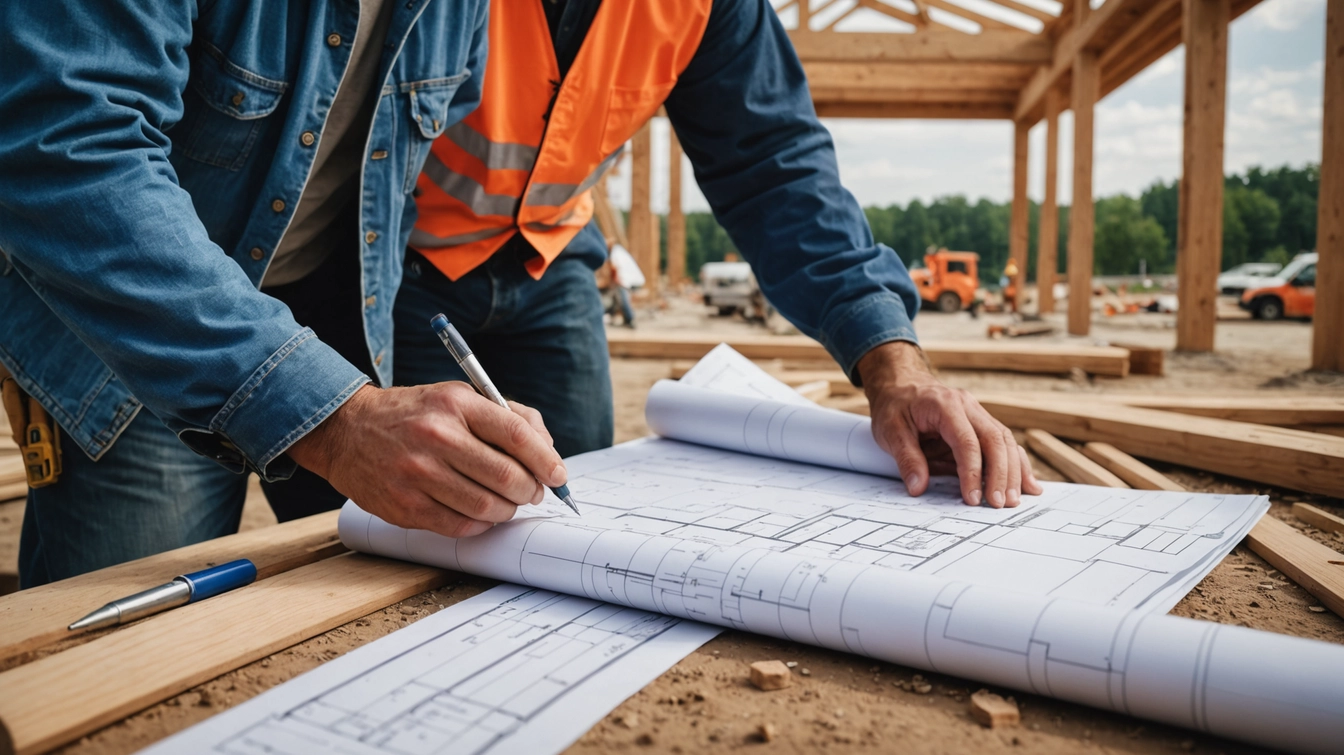
Home additions are one of the most significant decisions a homeowner can make, and the question we hear most often is a simple one: how do you know if it’s actually the right move for your family? The honest answer depends on a few factors that are worth thinking through carefully before you commit to a project of this size. We work with homeowners across Center Valley, PA, Coopersburg, PA, and Throughout the Lehigh Valley who are in exactly this position, and the same core questions tend to come up every time.
Start With the Problem You’re Actually Trying to Solve
Before anything else, get clear on what’s driving the idea. Are you running out of bedroom space as your family grows? Do you need a dedicated home office that isn’t a corner of the dining room? Is an aging parent moving in and you need a private suite? The more specific you can be about the problem, the easier it becomes to figure out whether an addition is the right answer or whether a remodel of your existing space might accomplish the same thing for less.
We always encourage homeowners to think about the function first and the square footage second. A well-designed addition that solves the real problem is worth every dollar. An addition built around vague dissatisfaction with the house often leads to regret. Take a few weeks to live with the question before you call a contractor.
Is Your Home Worth the Investment?
This is a practical question, not a sentimental one. An addition increases your home’s value, but the return depends heavily on the neighborhood. If your home is already one of the larger properties on the street, adding significant square footage may push your total investment beyond what the market will support. On the other hand, if comparable homes in your area are consistently larger and selling well, an addition can make a lot of financial sense.
We recommend talking to a local real estate professional who knows your specific neighborhood before you finalize plans. In areas like Center Valley and Coopersburg, where properties vary quite a bit in size and style, that local knowledge matters. A general contractor can tell you what the build will cost; a realtor can help you understand what it’s likely to return.
What Kind of Addition Makes Sense for Your Lot and Structure?
Not every property can physically support every type of addition. Lot lines, setbacks, zoning regulations, and the condition of your existing foundation all factor into what’s buildable. A bump-out, a full second-story addition, and a first-floor room addition each carry different structural and permitting requirements.
This is where working with an experienced residential builder pays off. At B&B Custom Construction Services, we walk through these constraints with homeowners early in the conversation, before anyone has fallen in love with a floor plan that won’t work for the site. We hold PA Home Improvement Contractor License PA181253, and our team handles the permitting process and project management from start to finish, so nothing gets overlooked on the regulatory side.
Are You Ready for the Process?
An addition is a major construction project, and it helps to go in with realistic expectations. Depending on the scope, you may be living with some disruption for several weeks or a few months. Strong communication with your contractor makes a significant difference here. We provide detailed proposals upfront and stay in regular contact throughout every project, because homeowners deserve to know what’s happening on their own property at every stage.
Families in Allentown, Bethlehem, Emmaus, Northampton, Center Valley, Coopersburg, PA, and Throughout the Lehigh Valley have found that the process goes much more smoothly when expectations are set clearly at the beginning and the contractor is reachable when questions come up. That transparency is something we take seriously on every job we take on.
Signs It’s Probably the Right Move
If most of the following are true for your situation, an addition is likely worth pursuing seriously. You love the neighborhood and plan to stay long-term. Your current layout genuinely cannot meet your family’s needs without adding space. Your home’s value relative to the neighborhood supports the investment. You have a specific, well-defined purpose for the new square footage. And you have a realistic budget in place, with a small contingency for the unexpected.
If you’re checking most of those boxes, the next step is a conversation with a contractor who can give you an honest assessment of what’s possible and what it will cost.
We’re happy to talk through your project at any stage of the planning process. Give us a call or drop us an email with your questions, and we’ll give you a straightforward answer on what we’re seeing and what makes sense for your home.